


















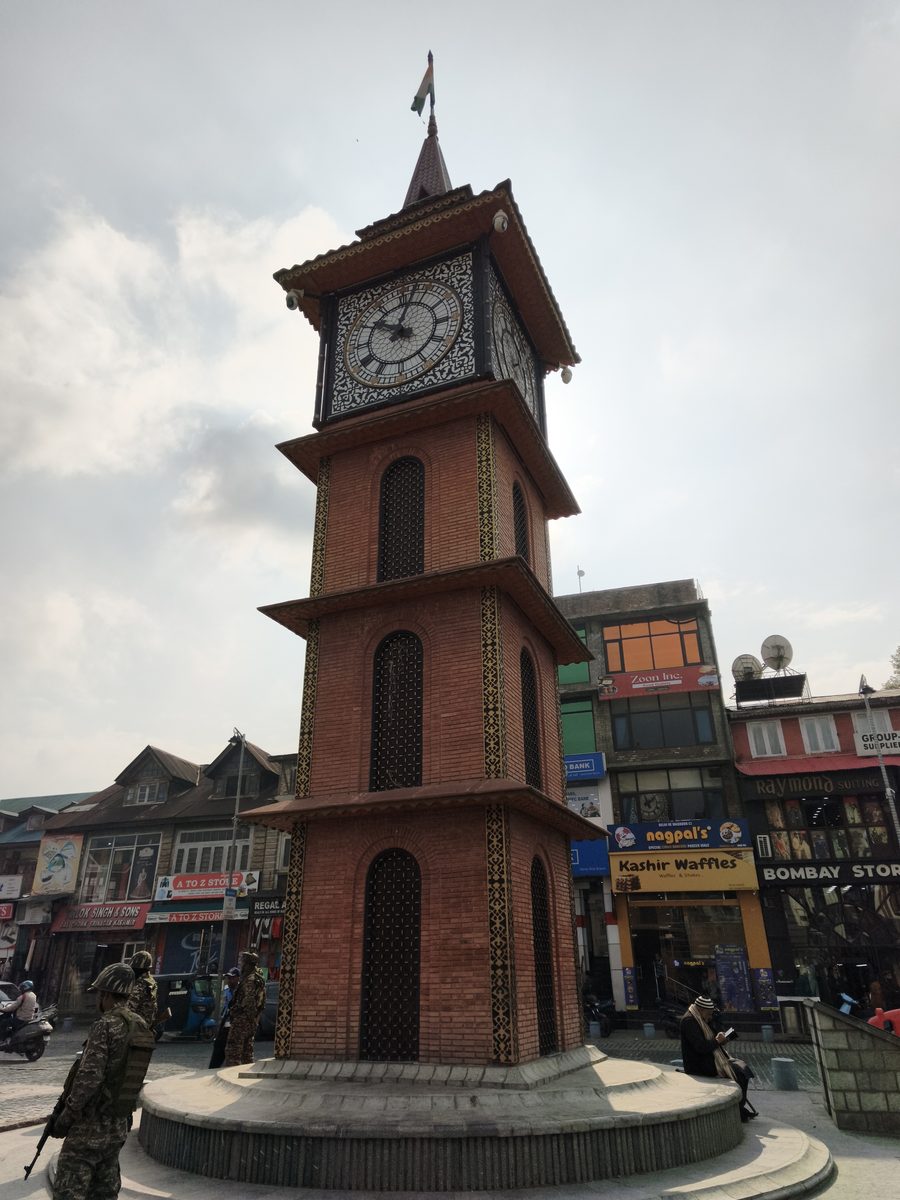
In the heart of Srinagar, where busy shopping streets meet the everyday rhythm of city life, stands a familiar landmark: Ghanta Ghar at Lal Chowk. For many Kashmiris, the clock tower is more than a point on the map. It is connected with memories of the city, its markets and important moments in Kashmir’s modern history.
Visitors often stop here to take photographs, explore nearby shops or simply experience one of Srinagar’s best-known public spaces. But how did this clock tower become so recognisable, and why does it continue to attract attention?
Its story begins with a practical purpose and grows into something much more closely connected with the identity of Lal Chowk.
What Is Ghanta Ghar in Srinagar?
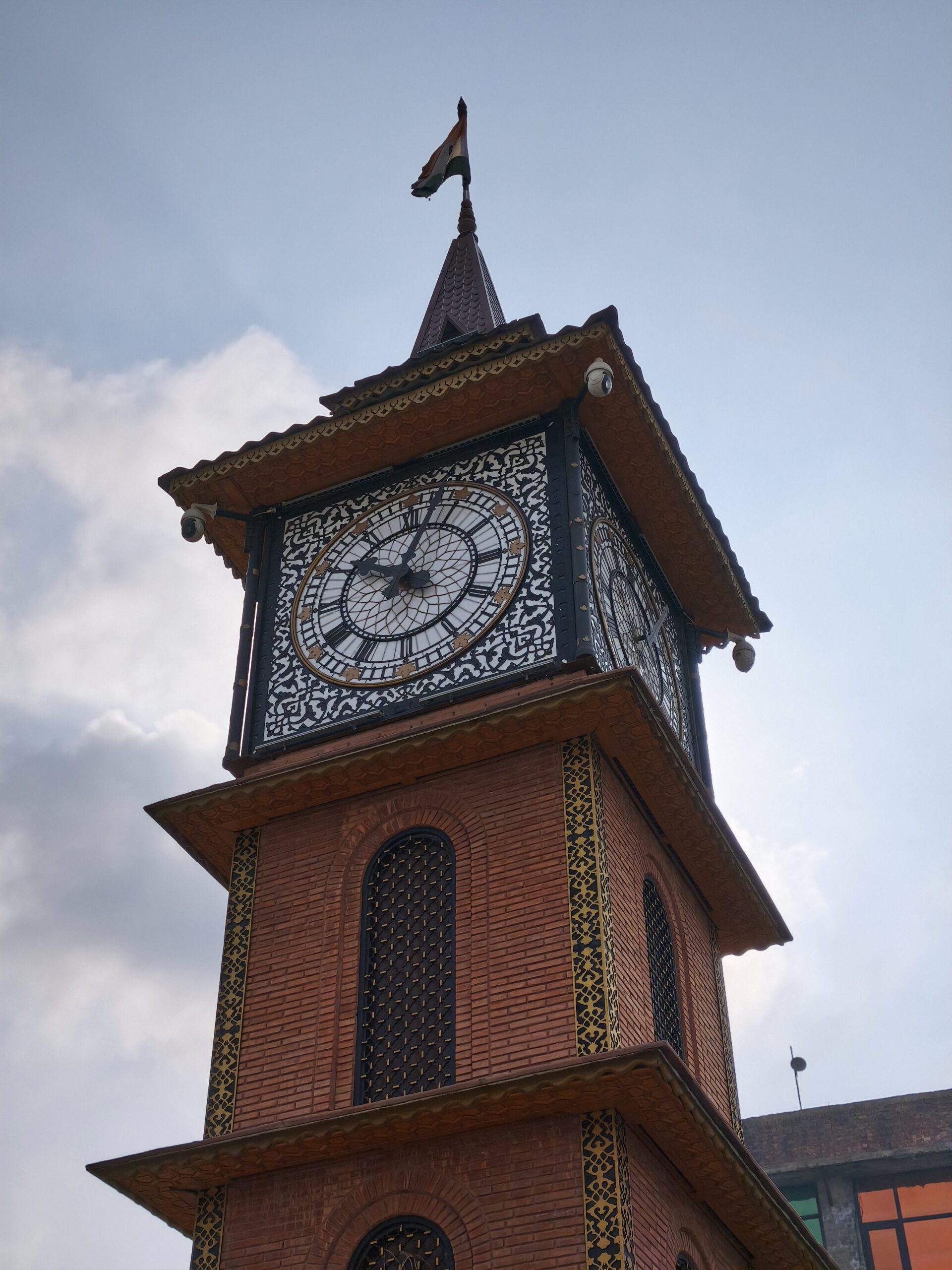
Ghanta Ghar is a clock tower situated at Lal Chowk, a major commercial centre in Srinagar, Jammu and Kashmir. Originally built by Bajaj in the late 1970s, it became a recognisable feature of the city centre and later gained wider attention because of its association with public gatherings and political events.
The name Ghanta Ghar means clock tower. Its central location, distinctive appearance and connection with the surrounding market have made it a familiar reference point for residents and a place of interest for visitors exploring Srinagar.
What Is the History Behind the Clock Tower?
The tower dates to the late 1970s, with historical reports commonly placing its construction or inauguration around 1979–1980. It was built by Bajaj, initially serving a commercial and advertising purpose. Over time, its location at the centre of Lal Chowk gave it a significance that extended beyond its original function.
Lal Chowk itself has a long association with Kashmir’s public and political life. As the area became a prominent setting for gatherings and important events, the clock tower came to be recognised as part of that wider history.
The structure has also changed over the years. A major renovation under the Srinagar Smart City Project was completed in 2023, giving the tower a renewed appearance and improving the surrounding public space. The redevelopment helped attract fresh attention from residents, tourists and photographers.
Why Is Lal Chowk So Important in Kashmir?
Lal Chowk is one of Srinagar’s best-known commercial and public spaces. Its shops, surrounding roads and history of public gatherings have made it an important part of the city’s identity. The clock tower stands within this active setting, linking the everyday life of the market with memories of Kashmir’s modern history.
The square has been associated with prominent political leaders, public speeches and symbolic events. These associations have brought national attention to the area at different points in time.
For local shopkeepers, Lal Chowk is also a place of business and livelihood. For visitors, it offers a glimpse of central Srinagar beyond its lakes and gardens. Both perspectives help explain why the area remains significant.
Why Does Ghanta Ghar Attract So Many People?
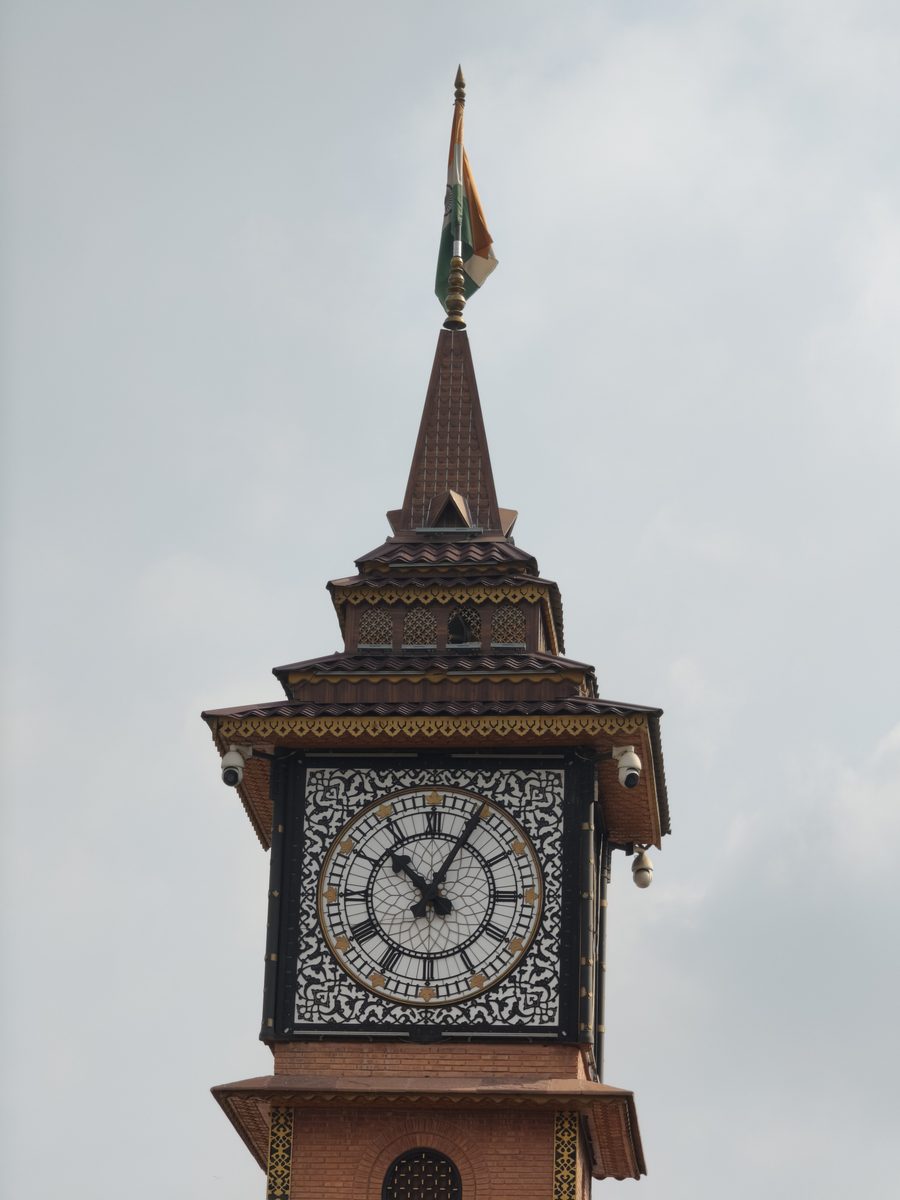
The attraction comes from a combination of history, location, appearance and everyday activity. Ghanta Ghar offers visitors a recognisable place to photograph while providing a convenient starting point for exploring Lal Chowk and its surrounding streets.
People visit for several reasons:
- Photography: The tower is a familiar backdrop for pictures of Srinagar.
- Shopping: Nearby markets offer clothing, household items, handicrafts and other goods.
- Local atmosphere: Visitors can observe the movement of shoppers, shopkeepers and commuters through the city centre.
- Historical interest: People interested in Kashmir’s history can explore a location associated with significant public events.
- A refreshed appearance: The 2023 redevelopment renewed interest in the tower and its surroundings.
The area appeals to different people in different ways. A tourist may come for photographs, a resident may use it as a meeting point, and a business owner may value the steady flow of people through the commercial district.
Is Ghanta Ghar Only a Tourist Attraction?
No. Although the clock tower has become a popular stop for visitors, it remains part of a working commercial area. Its importance comes from the way it connects tourism, local business and public life rather than from sightseeing alone.
For shopkeepers, activity around Lal Chowk can create opportunities to welcome customers. For residents, the area is associated with shopping, commuting and meeting friends or family. Visitors experience the same streets from a different perspective, often focusing on the tower’s appearance and historical associations.
One common misconception is that the clock tower’s importance comes only from its architecture. Its location and history are equally important. Another is that every visitor will find the same experience. The atmosphere can vary according to traffic, weather, local events and the condition of the site.
What Should You Know Before Visiting?
A visit to Ghanta Ghar can be combined with a walk around Lal Chowk, making it a useful stop during a day exploring Srinagar. Planning ahead helps visitors enjoy the area without overlooking practical concerns.
Keep these points in mind:
- Visit during daylight: This can make it easier to explore the surrounding market and take photographs.
- Allow time for shopping: Nearby streets offer more to explore than the clock tower alone.
- Plan your transport: Traffic can be busy around the city centre, so allow extra time for your journey.
- Respect local privacy: Ask permission before taking close-up photographs of people or inside shops.
- Check current conditions: Public events, maintenance work and local access arrangements can affect your visit.
The area around Ghanta Ghar offers plenty to explore, from nearby shopping streets to the everyday activity of Lal Chowk. For a more meaningful visit, take time to appreciate the landmark’s history and observe how it remains part of Srinagar’s commercial and public life.
What Makes Worth Remembering?
Ghanta Ghar is worth visiting because it provides a different perspective on Srinagar. While Dal Lake and the Mughal gardens showcase the region’s natural beauty and landscaped heritage, Lal Chowk reflects the energy of an urban centre and the experiences of the people who live and work there.
The clock tower’s story is shaped by its original commercial purpose, its connection with Kashmir’s modern history and the daily activity surrounding it. Its significance is not limited to one event or one interpretation.
For anyone exploring the city, it offers an opportunity to understand a familiar landmark in its wider local context.
Final Thoughts
Ghanta Ghar remains a recognisable part of Srinagar’s identity because its story is closely tied to Lal Chowk. From its beginnings as a clock tower to its place in the city’s public life, it reflects the changing character of Kashmir’s capital.
At Kashmir Blogs, we aim to share informative stories about Kashmir’s landmarks, local culture and places worth understanding beyond a photograph. If you are planning to explore Srinagar, consider adding Lal Chowk to your itinerary and discovering the history behind this familiar city landmark.
Explore more destination guides on Kashmir Blogs and continue discovering the places, people and stories that make Jammu and Kashmir distinctive.